Quick links
- All Donsak timetables
- Donsak → Koh Samui timetable
- Donsak → Koh Phangan timetable
- Surat Thani routes
If you’re planning to explore Thailand’s stunning Gulf islands like Koh Samui, Koh Phangan, or Koh Tao, chances are you’ll be passing through donsak pier surat thani. This bustling ferry terminal serves as the main gateway connecting mainland Thailand to some of the country’s most beautiful island destinations. Unlike the older routes from Surat Thani town, Donsak Pier has become the preferred departure point for most travelers thanks to its shorter crossing times and modern facilities. Whether you’re a first-time visitor or a seasoned island hopper, understanding how this pier works will make your journey smoother and way less stressful.
What Makes Donsak Pier the Main Ferry Hub
Donsak pier surat thani sits about 60 kilometers southeast of Surat Thani town, right on the coast where the mainland meets the Gulf of Thailand. The pier started as a small docking area back in the day, but it’s evolved into a major transportation hub that handles thousands of passengers every week.
The strategic location cuts ferry crossing times dramatically compared to departing from Surat Thani town itself. You’re looking at roughly 90 minutes to Koh Samui instead of the longer route alternatives. That’s a huge deal when you’re tired from traveling and just want to get to your beach bungalow.
Why Travelers Choose This Route
Several ferry operators run services from donsak pier surat thani, giving you plenty of options throughout the day. The main operators include Seatran, Raja Ferry, and Lomprayah, each with their own schedules and vessel types.
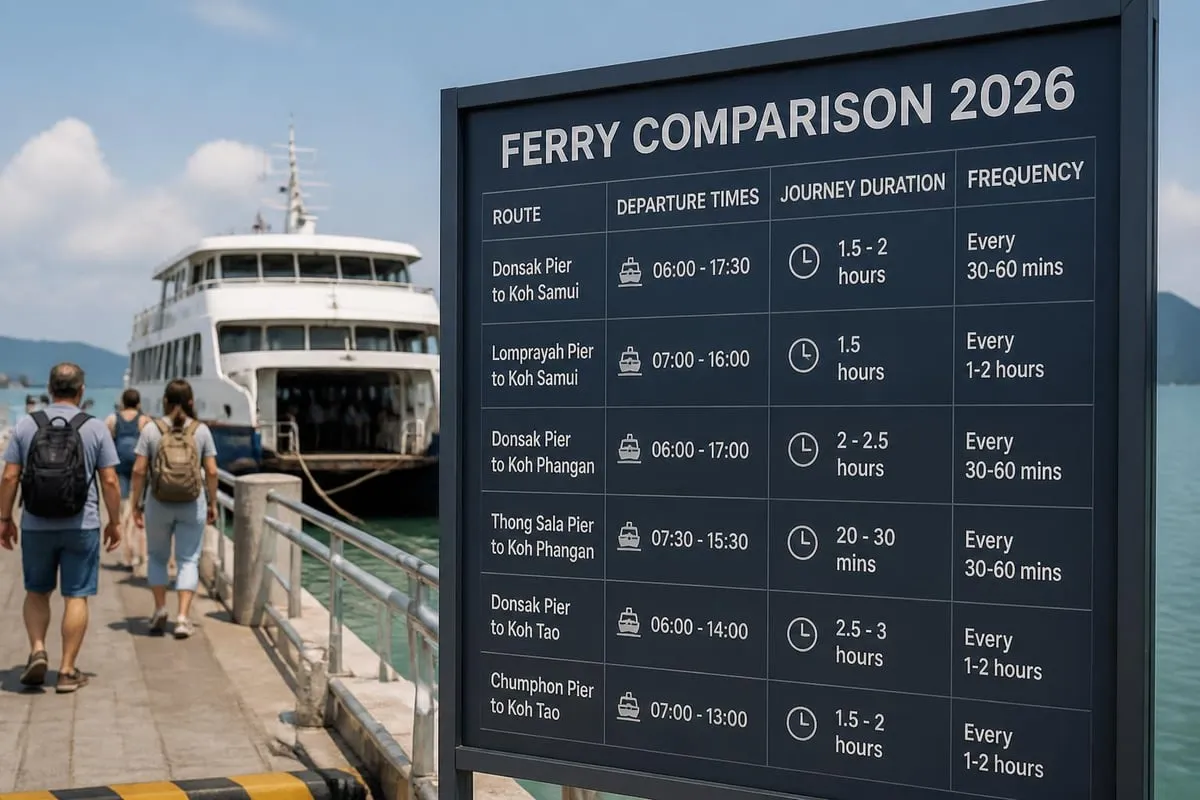
Here’s what makes this pier stand out:
- Shorter sea crossing - Less time on the water means less chance of seasickness
- Modern facilities - Clean waiting areas, food stalls, and restrooms
- Multiple daily departures - Flexible scheduling for your travel plans
- Vehicle ferry option - You can bring your car or motorbike if needed
- Less crowded than some tourist-packed alternatives
Most travelers coming from Bangkok or Phuket find that routing through Donsak saves time overall, even with the extra distance from Surat Thani town.
Getting to Donsak Pier from Different Starting Points
Transportation to donsak pier surat thani is pretty straightforward once you know your options. The pier isn’t exactly in the middle of town, so planning your arrival matters.
From Surat Thani Airport
The airport sits about 25 kilometers from Surat Thani town and roughly 90 kilometers from the pier. You’ve got several choices here:
Shared minivan services - These are the most economical option, typically costing 150-250 baht per person. The catch? You’ll wait for the van to fill up, and it’ll make stops at hotels along the way. Budget about 2-2.5 hours total.
Private taxi or car - Faster and more comfortable at 1,200-1,500 baht for the whole vehicle. You’ll get there in about 90 minutes without stops.
Bus plus taxi combo - Take a local bus into Surat Thani town (cheaper but slower), then grab a taxi or minivan to the pier from there.
From Surat Thani Train Station
Many budget travelers arrive via overnight train from Bangkok, which drops you at Phun Phin station about 14 kilometers west of Surat Thani town. Getting from here to the pier takes some planning.
| Transport Type | Cost (Baht) | Duration | Pros | Cons |
|---|---|---|---|---|
| Shared minivan | 200-300 | 2-2.5 hours | Cheapest | Wait times, multiple stops |
| Private taxi | 1,500-1,800 | 90 minutes | Direct, comfortable | Most expensive |
| Local bus + taxi | 100-150 + 800-1,000 | 2.5-3 hours | Budget-friendly | Complicated transfers |
Pro tip: Many ferry companies offer combined train-ferry-taxi packages that coordinate everything for you. It costs a bit more but eliminates the hassle of arranging multiple legs yourself.
From Koh Samui or Other Islands
If you’re heading back to the mainland from the islands, the reverse journey is just as easy. Ferries dock at donsak pier surat thani multiple times daily from Koh Samui, Koh Phangan, and sometimes Koh Tao (though Koh Tao ferries more commonly go to Chumphon).
The Seatran ferries are particularly popular for their reliability and comfort. They run large vehicle ferries that can handle cars, motorbikes, and foot passengers all at once.
Ferry Schedules and Booking Strategies
Departure times from donsak pier surat thani vary by operator and season, but you’ll generally find boats leaving throughout the day from early morning until mid-afternoon. High season (November through March) sees more frequent services than the quieter monsoon months.
Peak vs. Low Season Considerations
High season realities:
- Ferries fill up faster, especially around holidays and weekends
- Prices might be slightly higher
- More departure options to choose from
- Better weather conditions for crossing
Low season advantages:
- Fewer crowds mean easier boarding
- Sometimes discounted fares
- More flexible with timing
- Just be aware of weather delays
When comparing ferry operators like Lomprayah versus Seatran, you’ll notice different boat types and speeds. Lomprayah runs high-speed catamarans that are faster but sometimes rougher in choppy seas. Seatran’s larger ferries take a bit longer but offer a more stable ride.
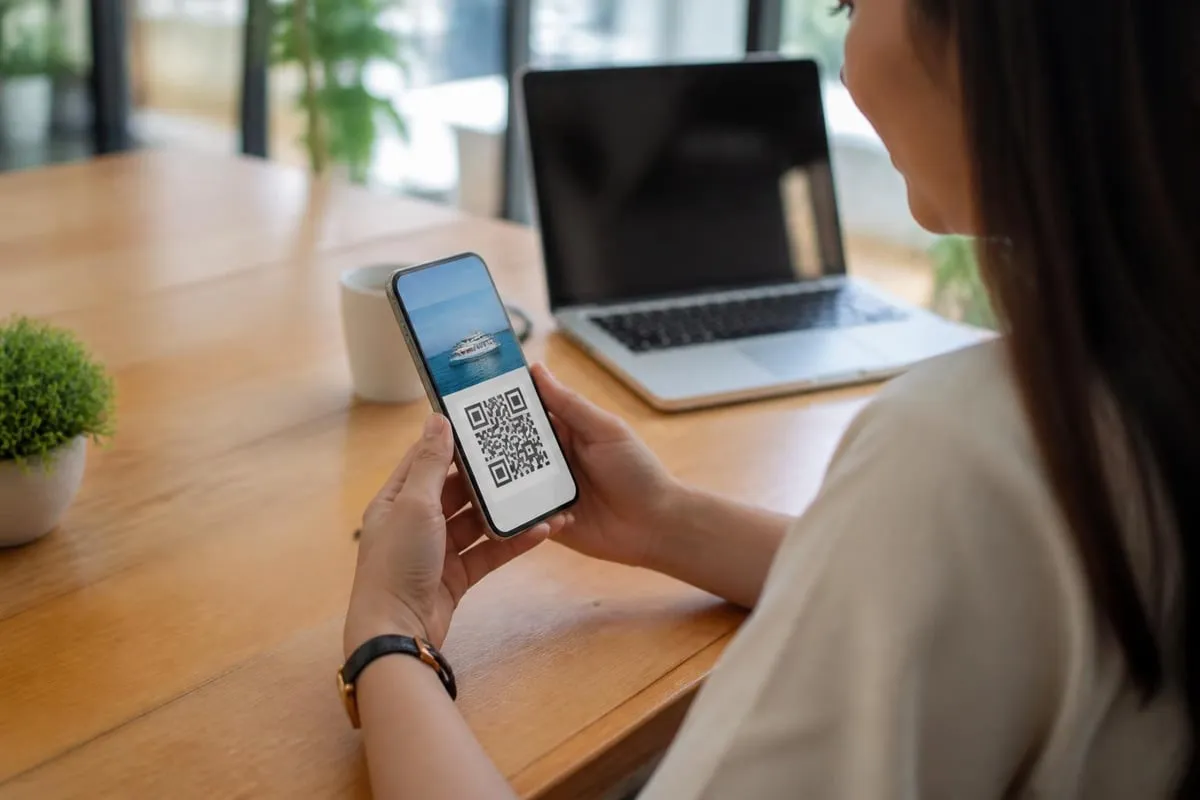
Smart Booking Tips for 2026
Here’s how to make your donsak pier surat thani ferry experience smooth:
- Book in advance during peak periods - Don’t just show up and hope for space, especially for popular routes to Koh Phangan during Full Moon Party weeks
- Compare operators - Different boats offer different amenities and pricing
- Consider combination tickets - Many services include the taxi/minivan transfer from your starting point
- Check weather forecasts - Rough seas can delay or cancel ferries
- Arrive early - Get to the pier at least 45 minutes before departure
Modern booking platforms make this process way easier than it used to be. Instead of dealing with language barriers and multiple websites, you can arrange everything through messaging apps or AI-powered services that handle the coordination for you.
What to Expect at the Pier Facilities
The donsak pier surat thani terminal has improved significantly over the years. It’s not a fancy airport-style facility, but it’s functional and meets basic traveler needs.
Available Amenities
Inside the main terminal building you’ll find:
- Ticket counters for different ferry operators
- Waiting areas with seating (can get crowded during peak times)
- Small shops selling snacks, drinks, and basic supplies
- Restrooms (not always pristine, but serviceable)
- ATMs for cash withdrawals
- Small restaurants and food stalls
The pier area itself has designated boarding zones for different ferry companies. Pay attention to the signs and announcements - they’re usually in Thai and English. Staff members typically guide passengers to the correct boat, but it doesn’t hurt to double-check.
Luggage and Storage
Most ferries allow standard luggage without extra fees. Large backpacks, roller bags, and even surfboards are generally fine. If you’re bringing a motorbike across, that requires separate booking and payment with the vehicle ferry operators.
There’s no official left luggage service at donsak pier surat thani, so plan accordingly. If you need to store bags, your best bet is arranging storage at your accommodation before heading to the pier.
Connecting to Popular Island Destinations
From donsak pier surat thani, you’ve got direct connections to the main Gulf islands that most travelers want to visit. Each destination has its own vibe and appeal.
Koh Samui Routes
This is the most popular route from the pier, with ferries running constantly throughout the day. The journey takes about 90 minutes to Nathon Pier on Samui’s west coast. From there, you can grab a taxi, songthaew (shared pickup truck), or pre-arranged transfer to your hotel area.
Samui’s main beach zones - Chaweng, Lamai, Bophut, and Maenam - are all accessible from Nathon, though some are closer than others. If you’re headed to the southern part of the island, factor in additional transfer time.
Koh Phangan Connections
While some ferries go directly to Koh Phangan from Donsak, many routes require a stop in Koh Samui first. Direct ferries take roughly 2.5-3 hours, making this a longer journey than the Samui run.
Phangan is famous for the Full Moon Party, but it’s also got beautiful beaches, quiet bays, and a chill vibe outside of party times. If you’re planning to visit during a Full Moon week, book your ferry well in advance because boats fill up fast.
Koh Tao Access
Getting to Koh Tao from donsak pier surat thani usually involves a combination ticket that includes transfers. The most common route goes Donsak to Koh Samui, then a separate boat to Koh Tao. Total journey time can be 4-5 hours depending on connections.
Alternatively, some travelers prefer the Chumphon to Koh Tao route, which is more direct. It depends on where you’re starting from and your overall itinerary.
| Destination | Direct Ferry Time | Typical Cost | Frequency |
|---|---|---|---|
| Koh Samui | 90 minutes | 150-300 baht | Every 1-2 hours |
| Koh Phangan | 2.5-3 hours | 250-450 baht | 3-5 times daily |
| Koh Tao | 4-5 hours (with transfer) | 500-800 baht | 2-3 times daily |
Practical Travel Tips You Should Know
Navigating donsak pier surat thani becomes way easier when you know a few insider tricks that frequent travelers use.
Timing Your Arrival
Don’t cut it too close with your ferry time. Traffic on the roads leading to the pier can be unpredictable, especially during rainy season when flooding occasionally affects the coastal roads. Build in a buffer of at least an hour beyond the expected travel time from your starting point.
If you’re connecting from a flight, leave even more cushion. A delayed flight or slow airport exit could mess up tight connections. Missing your ferry means waiting around for the next departure or scrambling to find alternatives.
Weather Considerations
The Gulf of Thailand generally has better weather than the Andaman Sea side of Thailand, but monsoon season (roughly October through December) can still bring rough conditions. Ferries rarely cancel completely, but delays happen when seas get choppy.
If you’re prone to seasickness, bring medication. Even on calm days, smaller speedboats can bounce around quite a bit. The larger vehicle ferries from donsak pier surat thani tend to be more stable.
Money and Payment
While most ferry tickets can be purchased with cards through online booking platforms, having cash on hand at the pier is smart. Food vendors, taxis, and some service counters prefer or only accept cash. There are ATMs at the terminal, but they sometimes run out during busy periods.
Safety and Regulations
Ferry operators in Thailand have improved safety standards significantly in recent years, but it’s still worth knowing where life jackets are located on your boat. Regulations require life jackets for all passengers - they’re usually stored under seats or in overhead compartments.
Listen to the safety briefing if one is given (not all boats do this), and know where the emergency exits are. This isn’t meant to scare you, just basic travel sense for any water crossing.
Alternatives and Backup Plans
Sometimes your schedule or preferences might make donsak pier surat thani less ideal than other options. It’s good to know what else is available.
The Surat Thani Town Route
Some ferries still depart from piers near Surat Thani town itself. This older route takes longer to reach the islands but might work better if you’re staying in town or arriving late in the day. The night boats are particularly popular with budget travelers who want to save on accommodation by sleeping on the ferry.
Flying to the Islands
If time matters more than money, you can fly directly to Koh Samui. Bangkok Airways operates multiple daily flights from Bangkok, Phuket, and other cities. It’s obviously more expensive than the ferry, but you’ll be on the beach in about an hour instead of half a day of traveling.
Alternative Mainland Piers
Depending on which island you’re heading to, other mainland departure points might make sense:
- Chumphon for Koh Tao - Often faster and less complicated
- Trat for Koh Chang - If you’re exploring Thailand’s eastern islands
- Krabi for Koh Phi Phi and the Andaman islands - Completely different region but worth mentioning
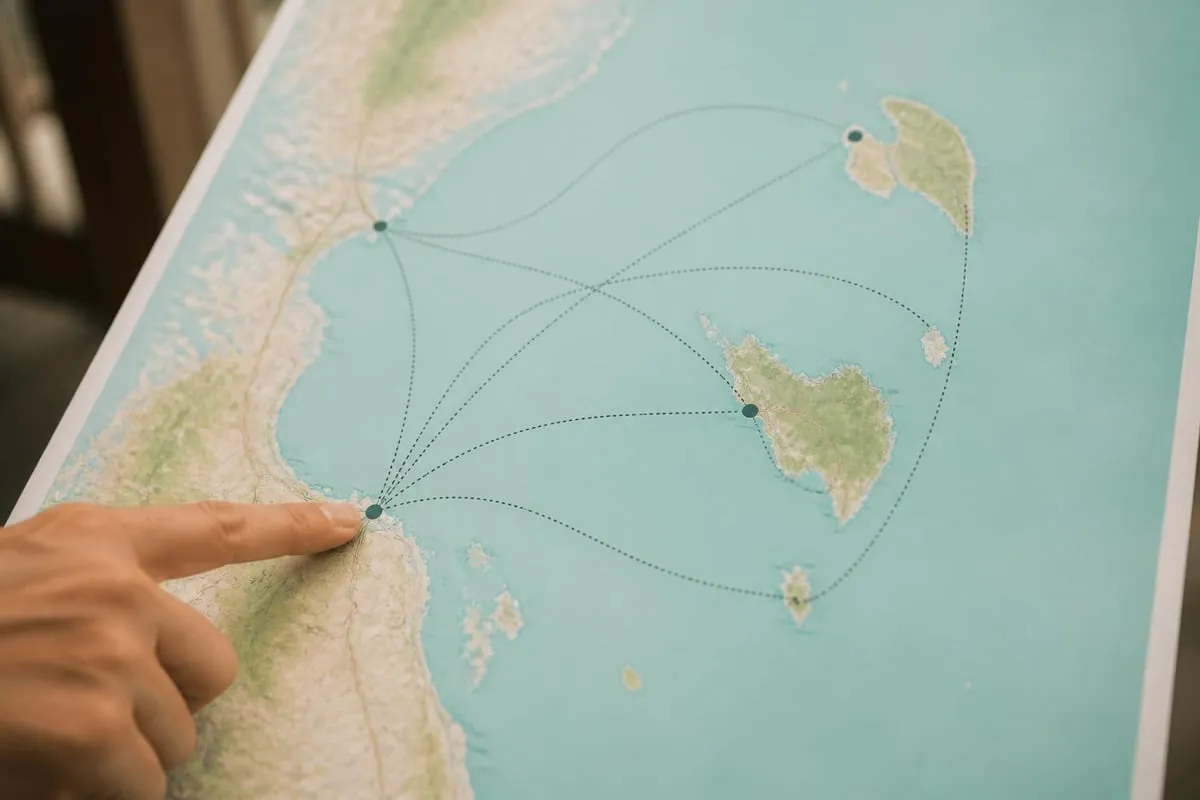
Making Your Journey Hassle-Free
The key to a smooth experience at donsak pier surat thani is really just good planning and realistic expectations. This isn’t an ultramodern facility, but it works efficiently and gets millions of travelers to their island destinations every year.
Pack smart for the ferry - bring water, snacks if you get hungry easily, and something to entertain yourself during the crossing. The larger ferries have food service and WiFi, but it’s not always reliable. Your phone will lose signal once you’re away from shore until you approach the islands.
Dress comfortably and bring layers. The pier itself can be hot and humid, but ferry cabins sometimes blast the air conditioning. If you’re traveling during rainy season, keep a waterproof bag for electronics and important documents - spray from rough seas can reach covered deck areas.
Understanding Ferry Operators
Different companies have different reputations and standards. The Lomprayah ferries are known for being faster and more modern, with comfortable seating and better onboard amenities. They cost a bit more but many travelers find it worth the premium.
Raja Ferry operates the main vehicle ferries that can transport cars and trucks along with passengers. If you’re bringing a vehicle from the mainland or back, this is your primary option from donsak pier surat thani.
Seatran falls somewhere in between - reliable, reasonably priced, and frequent departures. They’re a solid middle-ground choice for most travelers who want good value without sacrificing too much comfort.
Seasonal Variations and Best Times to Visit
The experience at donsak pier surat thani changes quite a bit depending on when you’re traveling. Understanding these patterns helps you plan better and avoid the worst crowds or weather.
High Season Madness (November-February)
This is peak tourist time for the Gulf islands. The weather is fantastic - mostly sunny, lower humidity, calm seas - but you’ll be sharing that perfect weather with thousands of other travelers. The pier gets genuinely crowded during these months, especially around:
- Christmas and New Year’s weeks
- Chinese New Year (varies, but usually late January or early February)
- European holiday periods
Ferries run at maximum frequency, but they also fill up quickly. Pre-booking becomes essential rather than optional.
Shoulder Season Sweet Spots (March-May, September-October)
These months offer the best balance in my experience. You’ll still have mostly good weather in March through May, though it gets hot - we’re talking 35°C+ temperatures. September and October can be hit or miss with rain, but you’ll find fewer tourists and better prices.
The pier operates smoothly during shoulder season without the overwhelming crowds. Ferry operators sometimes reduce frequency slightly, but there are still plenty of departures for all major routes.
Monsoon Realities (June-August)
Don’t write off the monsoon season completely. While the Andaman coast gets hammered during these months, the Gulf side - including donsak pier surat thani - experiences less intense weather. You’ll get rain, sometimes for days at a time, but it’s not constant.
Monsoon season advantages:
- Dramatically lower accommodation prices on the islands
- Fewer tourists means quieter beaches
- Ferry tickets are cheaper and easier to book last-minute
- Tropical rain can actually be refreshing in the heat
Monsoon season challenges:
- Some businesses and restaurants close
- Rougher seas make crossings less comfortable
- Beach activities get limited on rainy days
- Occasional ferry delays or cancellations
Digital Booking and Modern Solutions
Gone are the days when you had to show up at a dusty travel agency and hope they understood your request through broken English. In 2026, booking your journey through donsak pier surat thani is incredibly streamlined if you use the right tools.
Modern booking platforms let you coordinate your entire journey - from wherever you’re starting to your final island destination - through simple messaging apps. You can ask questions, compare options, and book tickets all through WhatsApp, Facebook Messenger, or LINE. The AI-powered systems understand multiple languages and can handle complex multi-leg journeys that would be a pain to coordinate yourself.
This approach is especially valuable when you’re dealing with combination tickets that include taxi pickups, ferry crossings, and island transfers. Instead of booking each piece separately and worrying about connections, you get a coordinated package with someone making sure all the timing works.
Plus, you avoid the markup that traditional travel agencies sometimes add. Direct connections to ferry operators and transport providers mean better prices and more transparency about what you’re actually getting.
Understanding how donsak pier surat thani works takes the stress out of getting to Thailand’s beautiful Gulf islands. With the right planning, your journey from mainland to paradise becomes a smooth experience rather than a travel headache. Whether you’re heading to the beaches of Koh Samui, the party scene of Koh Phangan, or the diving spots around Koh Tao, this pier is your starting point for island adventures. Instead of piecing together transportation and ferries yourself, Thailand Boat Tickets makes the whole process simple through their AI-powered messaging service - just send a message in your language and they’ll coordinate everything from pickup to island arrival, all at great prices with zero hassle.
Chat with our VTA and go to Thailand
Get instant access to live ferry schedules, compare prices across all operators, and book your tickets directly with our Virtual Ticket Assistant.