

Quick links
Planning a trip to one of Thailand’s most stunning destinations? You’re in for a treat. Phi Phi Island has been captivating travelers for decades with its dramatic limestone cliffs, crystal-clear waters, and vibrant coral reefs. But here’s the thing: booking Phi Phi Island correctly can make or break your experience. With so many ferry options, accommodation choices, and activities to choose from, knowing where to start can feel overwhelming. This guide walks you through everything you need to know about planning your perfect island escape in 2026.
Understanding Your Gateway to Phi Phi
Getting to Phi Phi Island means choosing between two main departure points: Phuket or Krabi. Both offer reliable ferry services, but they’re quite different experiences.
Phuket departures typically leave from Rassada Pier, offering multiple daily sailings during peak season. The journey takes about two hours and gives you access to wider ferry selection. Rassada Pier serves as the main gateway for travelers staying in Phuket who want to explore the surrounding islands.
Krabi departures leave from several piers, with Klong Jilad Pier being the most common. The trip is slightly shorter at around 90 minutes. If you’re exploring multiple destinations in the Andaman region, traveling from Phuket to Krabi first might give you more flexible routing options.
Ferry Types and What They Mean for You
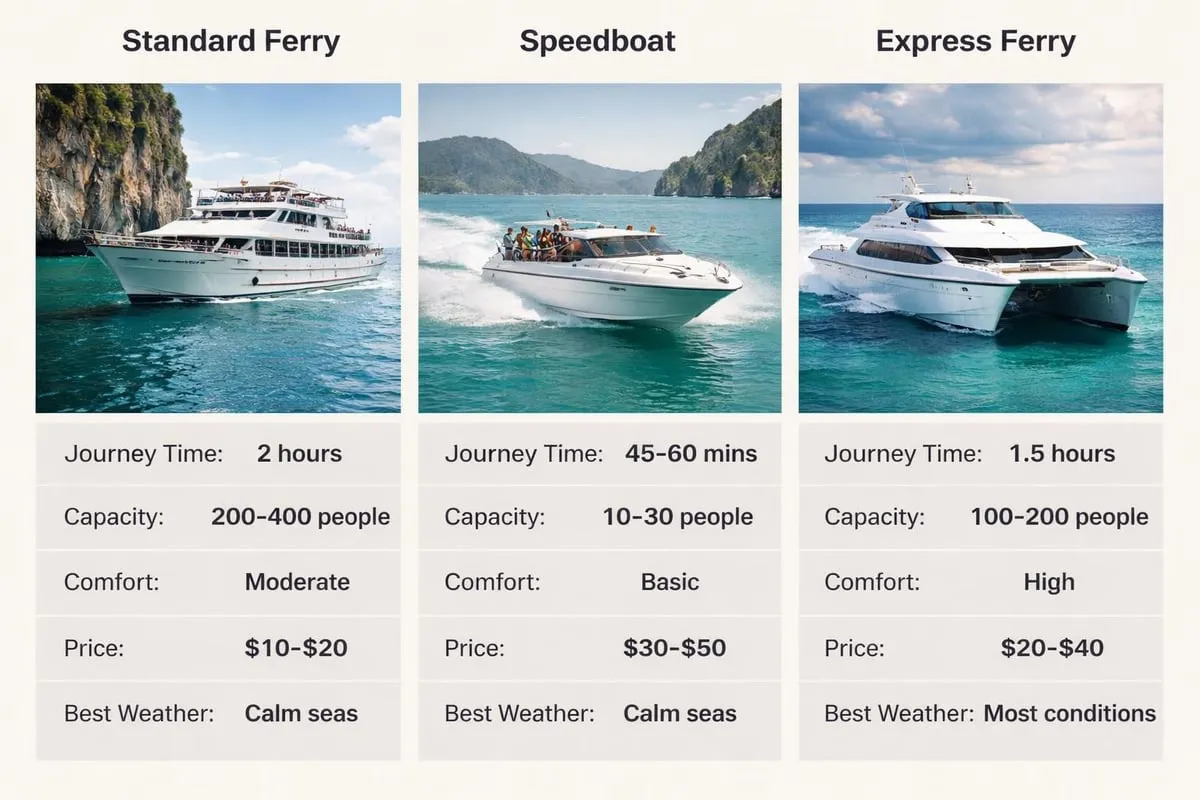
Not all boats are created equal when booking Phi Phi Island transport:
- Standard ferries: Larger vessels with indoor seating, slower but more stable
- Speed boats: Faster trips (45-60 minutes), bumpier rides, smaller groups
- Express ferries: Middle ground with decent speed and comfort
- Private charters: Maximum flexibility but premium pricing
Weather plays a huge role here. During monsoon season (May through October), larger ferries handle rough seas better than speedboats. The Ferryhopper platform provides real-time schedule updates that reflect seasonal changes and weather cancellations.
Timing Your Trip Right
Booking Phi Phi Island visits requires strategic timing. The high season (November through April) brings perfect weather but also massive crowds and higher prices. We’re talking ferries packed to capacity and beaches that look like music festivals.
Peak season considerations:
| Month | Weather | Crowds | Prices | Ferry Frequency |
|---|---|---|---|---|
| Nov-Dec | Excellent | High | Premium | Every 30-60 min |
| Jan-Feb | Perfect | Extreme | Peak | Every 30 min |
| Mar-Apr | Hot & dry | Moderate | High | Every 45-60 min |
| May-Oct | Rainy | Low | Budget | Reduced schedule |
The shoulder months (November and April) offer the sweet spot. You get decent weather without the insane crowds. Plus, accommodation prices drop by 30-40% compared to peak January rates.
Advanced Booking Strategies
Here’s where booking Phi Phi Island gets interesting. Should you book months ahead or wait until you arrive? It depends on your travel style.
Book early if you:
- Travel during Christmas, New Year’s, or Chinese New Year
- Want specific ferry times (morning departures fill up fast)
- Need guaranteed accommodation at popular resorts
- Prefer fixed plans and confirmed reservations
Book closer to departure if you:
- Travel during low season when availability is abundant
- Want flexibility to change plans based on weather
- Enjoy last-minute deals and spontaneous decisions
- Have backup destinations if conditions aren’t ideal
The comprehensive Phi Phi travel guide from Tripcrafters recommends booking at least two weeks ahead during peak months, while low season travelers can often book 48 hours before departure without issues.
Navigating Accommodation Options
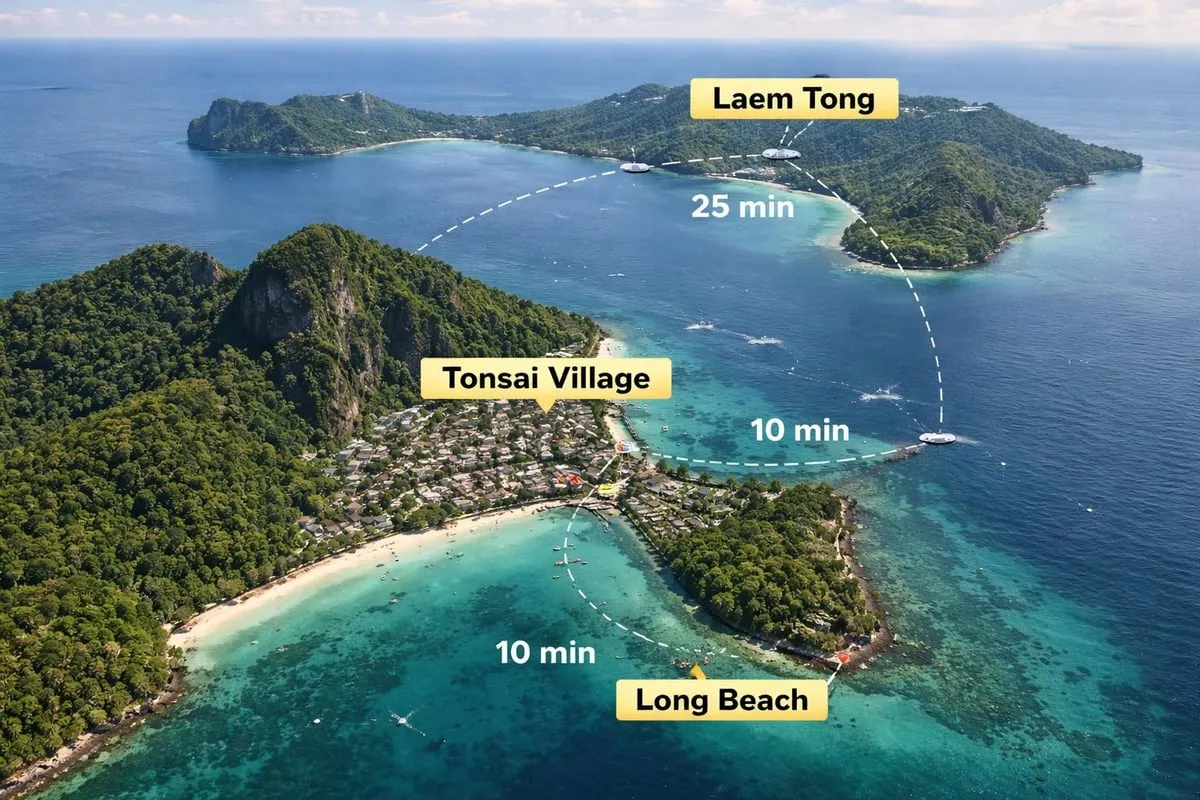
Where you stay on Phi Phi Don (the only inhabited island) dramatically affects your experience. The island basically divides into three zones.
Tonsai Village sits right where the ferries dock. It’s convenient, loud, and party-central. You’ll find budget hostels, mid-range hotels, and endless restaurants. Great if you want action, terrible if you need sleep.
Long Beach offers quieter vibes with beautiful sunrise views. It’s a 20-minute longtail boat ride from the main pier or a sweaty 30-minute hike over the hill. Perfect for couples and anyone over 30 who values tranquility.
Laem Tong Beach on the northern tip provides resort-style luxury. It’s isolated, expensive, and absolutely gorgeous. Most resorts here include boat transfers as part of their packages.
Booking Philosophy: Package vs. Separate
When booking Phi Phi Island trips, you’ll encounter two approaches:
All-inclusive packages bundle ferry tickets, accommodation, and sometimes meals or activities. They’re convenient and often cost-effective for popular resort chains. The downside? Less flexibility and you’re locked into specific ferry times.
Separate bookings give you total control. Book your ferry through Thailand Boat Tickets, choose your accommodation independently, and mix-and-match activities. Takes more planning but maximizes customization.
I’ve done both. Packages work great for short 2-3 day trips when you just want simplicity. Separate bookings shine for week-long stays where you might change hotels mid-trip or need flexible departure times.
Activities and Experiences Worth Booking
Phi Phi isn’t just about lounging on beaches (though that’s definitely valid). The island offers incredible experiences, but not all require advance booking.
Must-book activities:
- Maya Bay early access tours - Limited daily visitors since 2026 regulations
- Diving certifications - Multi-day courses need advance slots
- Private longtail boat charters - Peak season availability gets tight
- Sunset dinner cruises - Popular restaurants book out days ahead
Walk-up friendly activities:
- Snorkeling gear rental (everywhere on Tonsai)
- Viewpoint hikes (free, just wake up early)
- Beach hopping via shared longtail boats
- Kayak rentals and paddleboarding
The Visit Phi Phi guide breaks down which beaches allow same-day visits versus those requiring tour bookings due to marine park regulations.
Day Trips from Nearby Islands
If you’re staying on Koh Phangan or Koh Tao, booking Phi Phi Island as a day trip is totally doable, though it makes for a long day. You’ll need to route through either Phuket or Krabi, which adds travel time.
Alternatively, many travelers use Phi Phi as a jumping-off point to explore other Thailand islands in the Andaman Sea. The island tour packages often combine Phi Phi with Koh Lanta, Railay Beach, or the Hong Islands for multi-day adventures.
Ferry Operators and What Sets Them Apart
Not all ferry companies operate the same when booking Phi Phi Island routes. Here’s what actually matters:
| Operator | Vessel Type | Departure Points | Standout Feature |
|---|---|---|---|
| Andaman Wave Master | Large ferry | Phuket (Rassada) | Most departures daily |
| Phi Phi Cruiser | Speed catamaran | Phuket, Krabi | Fastest journey time |
| Chaokoh Ferry | Standard ferry | Krabi (Klong Jilad) | Budget-friendly pricing |
| Satun Pakbara | Express boat | Multiple piers | Good weather reliability |
The detailed ferry route information from Phuket Ferry helps compare actual sailing times, which vary by up to 45 minutes depending on the vessel and sea conditions.
Hidden Fees and What’s Actually Included
Here’s something nobody tells you about booking Phi Phi Island ferry tickets: the advertised price often isn’t the final price.
Typical add-ons:
- National park entry fee (400 THB for foreigners, collected separately)
- Pier fee (20-50 THB at departure pier)
- Hotel transfers to/from the pier (100-300 THB depending on distance)
- Luggage fees for oversized bags (some operators charge extra)
Smart travelers using Thailand Boat Tickets get transparent pricing upfront with all fees clearly itemized before checkout. No surprises when you arrive at the pier.
Mobile Booking and Digital Tickets
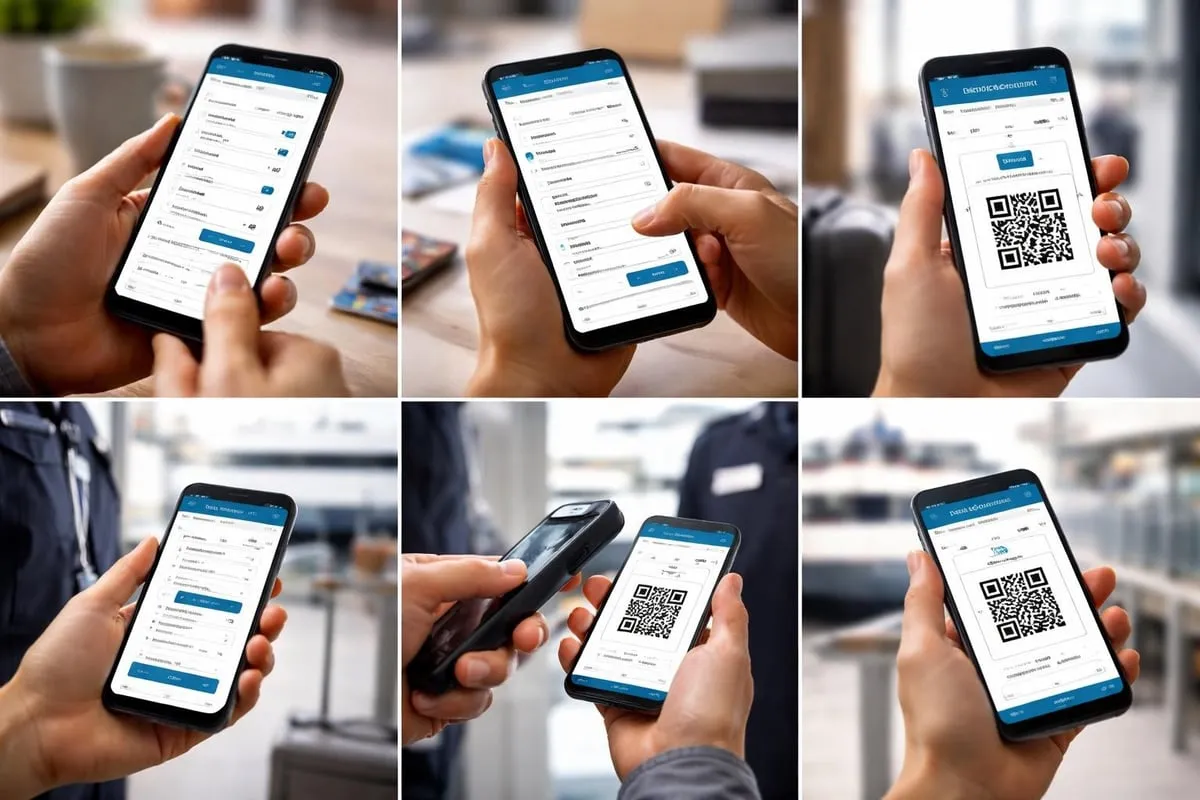
Welcome to 2026, where physical tickets are basically optional. Most ferry operators now accept digital tickets displayed on your phone. But there’s a catch.
Digital ticket essentials:
- Screenshot your confirmation (don’t rely on internet at the pier)
- Have your passport handy (required for ferry check-in)
- Arrive 30 minutes early during peak season
- Download offline maps before departure
The Love Phuket Tours guide emphasizes that while digital tickets work great, some smaller operators still prefer printed confirmations, especially for multi-leg journeys.
Group Travel and Special Considerations
Booking Phi Phi Island for groups changes the game entirely. If you’re traveling with 6+ people, you unlock options unavailable to solo travelers.
Group booking advantages:
- Negotiated rates for 10+ passengers (15-20% savings possible)
- Private speedboat charters become cost-competitive
- Guaranteed adjacent seating on ferries
- Flexible departure times with chartered vessels
- Possible direct pier-to-resort transfers
Families with young children should prioritize larger, more stable ferries over speedboats. The bouncy speedboat rides can be miserable for kids prone to seasickness. Been there, done that, learned the hard way.
Accessibility and Special Needs
Phi Phi Island accessibility has improved significantly, but challenges remain. The main pier has ramps, but getting on and off ferries still requires navigating steep gangways that shift with the tide.
If you have mobility concerns:
- Book accommodation in Tonsai Village (flat terrain)
- Request ground-floor rooms (many hotels lack elevators)
- Arrange private boat transfers that can accommodate wheelchairs
- Contact operators directly about specific assistance needs
The 12Go Asia Phi Phi guide includes accessibility ratings for different ferry operators and accommodation options.
Weather, Cancellations, and Plan B
Monsoon season isn’t just inconvenient when booking Phi Phi Island trips, it can completely derail your plans. Ferries get cancelled regularly from May through October when swells exceed safe limits.
Cancellation policies vary wildly:
- Some operators offer full refunds for weather cancellations
- Others provide rebooking credits valid for 6-12 months
- Budget ferries might only refund 50% or offer next-day transfers
- Travel insurance becomes essential during shoulder months
Always check the cancellation terms before booking Phi Phi Island transport. The cheapest ticket isn’t a bargain if you lose everything when weather turns bad.
Alternative Routes When Weather Strikes
If rough seas cancel direct ferries, you’re not necessarily stuck. Alternative routing through Krabi sometimes works when Phuket departures shut down, since the channels differ.
Another option: wait it out. Weather patterns in 2026 are more predictable thanks to improved forecasting. A morning cancellation doesn’t automatically mean afternoon departures won’t run. Local ferry staff understand the patterns and can usually give you realistic estimates about when conditions might improve.
Money Matters and Payment Options
Booking Phi Phi Island involves various payment scenarios. Here’s what actually works in 2026:
Online bookings:
- Major credit cards (Visa, Mastercard) universally accepted
- PayPal increasingly common for international platforms
- Digital wallets (Alipay, WeChat Pay) for Chinese travelers
- Cryptocurrency still rare but emerging with tech-forward operators
Pier purchases:
- Cash (Thai Baht) always works
- Credit cards accepted at major piers but fees apply (3-5%)
- Currency exchange available but rates are terrible
- ATMs present but charge foreign transaction fees
Pro tip: Book online whenever possible. The convenience charge (if any) is usually less than the currency exchange markup you’ll pay buying tickets at the pier with converted cash.
Last-Minute Changes and Flexibility
Life happens. Flights get delayed. Plans change. When booking Phi Phi Island trips, flexibility matters more than saving 10%.
Flexible booking options in 2026:
- Open-dated tickets (valid any day within a month)
- Name change permissions (some operators allow this free)
- Time switching (upgrade to next available departure)
- Route modifications (change from Phuket to Krabi departure)
The boat ticket operators partnering with booking platforms typically offer more flexible policies than buying directly at the pier. They compete on service, not just price.
When to Splurge on Refundable Tickets
Refundable tickets cost 20-30% more but make sense when:
- Your travel dates aren’t confirmed yet
- You’re booking months in advance
- Weather uncertainty is high (shoulder season)
- You’re coordinating multiple group members
- Your trip depends on visa approvals or other uncertainties
Non-refundable tickets work fine for short-notice bookings (within 7 days) when you’re already in Thailand and weather looks stable.
Multi-Island Itineraries and Combined Bookings
Most travelers don’t visit just Phi Phi. The real magic happens when booking Phi Phi Island as part of a larger Thai island-hopping adventure.
Popular combinations:
- Bangkok → Phuket → Phi Phi → Krabi → Bangkok
- Phuket → Phi Phi → Koh Lanta → back to Phuket
- Krabi → Phi Phi → Railay → Ao Nang → Krabi
- Phi Phi → Koh Yao Noi → Phuket
The Koh Yao Noi routes offer a quieter alternative between Phuket and Phi Phi if you want to break up the journey with a less touristy island stop.
Multi-leg bookings sometimes unlock package discounts. Booking all your island transfers together through one platform often costs 10-15% less than individual tickets purchased separately.
Booking Phi Phi Island doesn’t have to be complicated when you know what to prioritize: timing, ferry selection, and flexible policies that protect your investment. Whether you’re planning months ahead or making last-minute decisions, having the right booking partner makes all the difference. Thailand Boat Tickets simplifies the entire process through AI-powered service accessible via WhatsApp, Instagram, Facebook Messenger, Telegram, or LINE. Just message them in your language, and they’ll handle ferry tickets, transfers, and island experiences across Southern Thailand’s most beautiful destinations.
Chat with our VTA and go to Thailand
Get instant access to live ferry schedules, compare prices across all operators, and book your tickets directly with our Virtual Ticket Assistant.