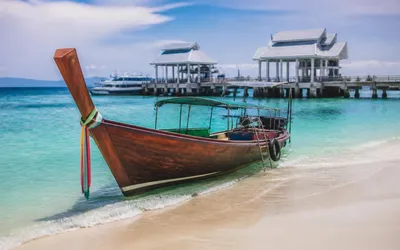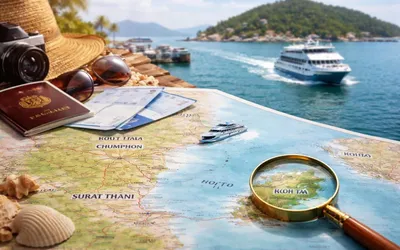

Phi Phi Islands Trip Guide: Your Essential 2026 Handbook
Dreaming of turquoise waters, dramatic cliffs, and vibrant island life? The Phi Phi Islands are calling in 2026, promising an adventure you will never forget.
This handbook is your essential, up-to-date guide for planning the perfect phi phi islands trip. Whether you are a solo explorer, a couple, or traveling with family, you will find practical advice tailored to your needs.
Discover how to get there, what to expect, top attractions, where to stay, and how to travel responsibly. Get ready to make the most of your island getaway with insider tips that ensure your journey is smooth from start to finish.
Planning Your Phi Phi Islands Adventure
Dreaming of your perfect phi phi islands trip? Smart planning is the secret to a seamless experience. From choosing the best time to visit to preparing your packing list, this section covers all the essentials for your 2026 adventure.
When to Visit: Weather, Seasons, and Festivals
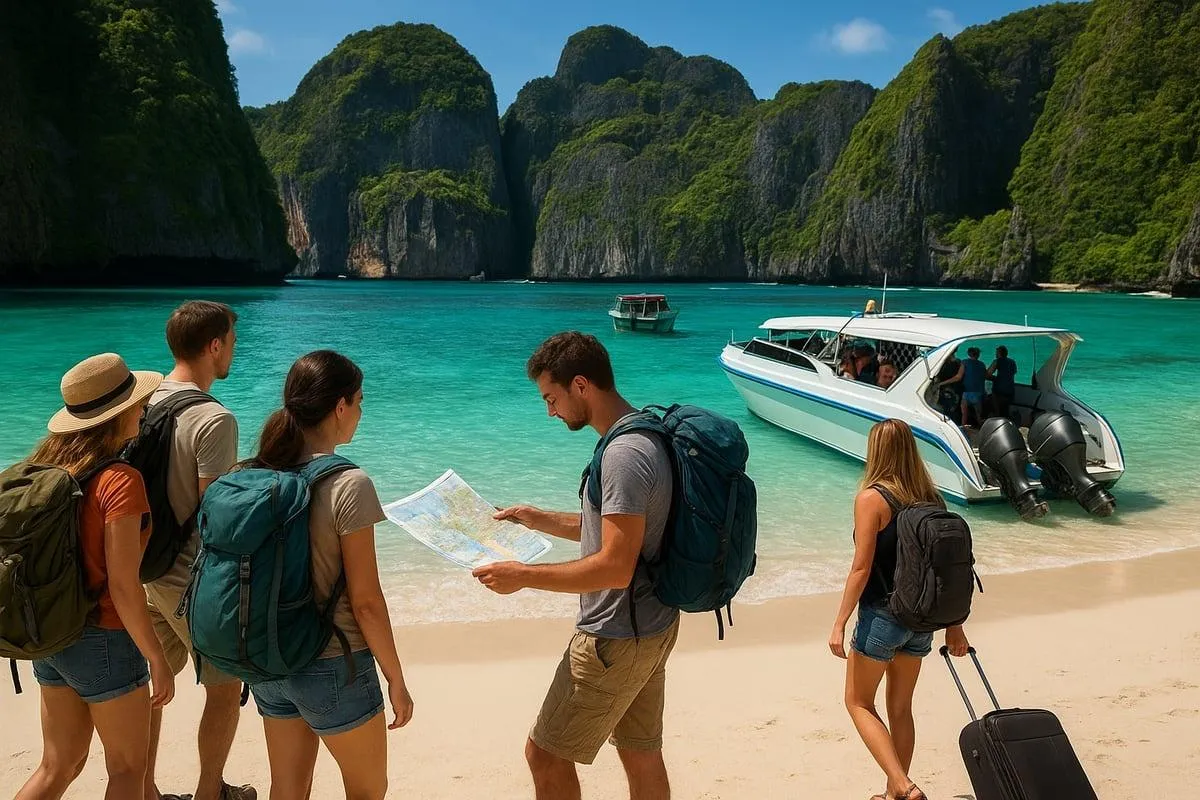
Timing is crucial for any phi phi islands trip. The islands feature a tropical climate, with November to April as the dry season. This period offers calm seas, sunny skies, and bustling island life. Expect higher prices and crowds during December and January, while May to October brings monsoon rains, making the islands quieter and more affordable.
Annual festivals add unique flair. In April, Songkran, the Thai New Year, is celebrated with water fights and local festivities. Average temperatures range from 27°C to 32°C. Rainfall peaks in September, so pack accordingly. Shoulder seasons (May and October) offer a balance of good weather and fewer tourists, ideal for those seeking a relaxed phi phi islands trip.
How to Get There: Ferries, Speedboats, and Transfers
Access to the islands is by sea. Main departure points include Phuket, Krabi, Ao Nang, and Koh Lanta. For a hassle-free phi phi islands trip, use Thailand Boat Tickets, the world’s first AI booking service for ferry tickets in Thailand. It’s the easiest way to travel and brings you from A to B with zero hassle. Our platform lets you compare operators and book in your own language via WhatsApp, Instagram, Facebook Messenger, and Telegram, ensuring you secure your tickets in advance, especially in peak season.
Passenger ferries are family-friendly, and some provide wheelchair access. A typical ferry carries 200-300 passengers. Early bookings secure better seats and prices, while last-minute tickets might be available in low season. For full details, the Phi Phi Islands travel guide offers comprehensive route and schedule information.
Entry Requirements and Travel Essentials for 2026
Before your phi phi islands trip, check your passport validity. Most nationalities receive a 30-day visa on arrival, but verify current rules for 2026. Travel insurance is recommended, and routine vaccines should be up to date. No special vaccinations are required, but check for any advisories closer to your departure.
The local currency is Thai Baht. English is widely spoken in tourist areas. Download essential apps for translation and navigation. SIM cards from AIS or DTAC offer strong coverage on the islands. Thai immigration policies may change, so confirm requirements before traveling. Smooth arrivals start with being prepared.
Budgeting Your Trip: Costs and Money-Saving Tips
A well-planned budget makes your phi phi islands trip stress-free. Daily expenses vary: budget travelers spend around 1,200–1,800 THB per day, while mid-range trips average 3,000–5,000 THB. Luxury stays can exceed 8,000 THB nightly. Meals range from 80 THB for street food to 400 THB at beachfront restaurants.
ATMs are widely available, but carry some cash for smaller vendors. Cards are accepted at most hotels and tour operators. For a three-day stay in 2026, expect to spend between 3,500–15,000 THB, depending on your style. Book tours online for discounts, and avoid overpriced activities at busy docks.
| Expense | Budget (THB) | Mid-Range (THB) | Luxury (THB) |
|---|---|---|---|
| Accommodation | 500 | 2,000 | 8,000+ |
| Meals | 80 | 250 | 400+ |
| Activities | 300 | 1,000 | 2,500+ |
| Ferries | 350 | 500 | 1,500+ |
Packing Guide: What to Bring and What to Leave
Packing smart ensures your phi phi islands trip is comfortable. Lightweight, breathable clothing is ideal for the humid climate. Bring a hat, sunglasses, and sandals. Essential gear includes a snorkeling set, reef-safe sunscreen, and a reusable water bottle. These help protect the local environment.
Luggage on ferries should be compact, as storage is limited. Many accommodations offer storage for larger bags. A sample packing checklist:
- Swimwear and quick-dry clothes
- Flip-flops and sturdy walking shoes
- Eco-friendly toiletries
- Waterproof phone pouch
- Light rain jacket (for monsoon months)
Most basics are available locally, but specialty items like reef-safe sunscreen are best brought from home.
Responsible Travel and Island Etiquette
Respect for nature and culture elevates your phi phi islands trip. Protect coral reefs by using mineral-based sunscreens and never touching marine life. Reduce plastic use by carrying a refillable bottle and reusable bags. Dress modestly when visiting temples, and always ask before photographing locals.
Participate in beach clean-ups or conservation tours to support the islands. Tourism has impacted local ecosystems, so every visitor’s effort matters. Choose local businesses for tours and dining to help the community thrive. Responsible travelers ensure Phi Phi remains a paradise for years to come.
Getting Around the Phi Phi Islands
Exploring the Phi Phi Islands is a unique experience, blending natural beauty with a car-free, eco-conscious environment. Efficient planning ensures your phi phi islands trip is smooth, safe, and filled with adventure. Let’s break down the essentials for navigating these iconic islands.
Island Hopping: Exploring Phi Phi Don and Phi Phi Leh
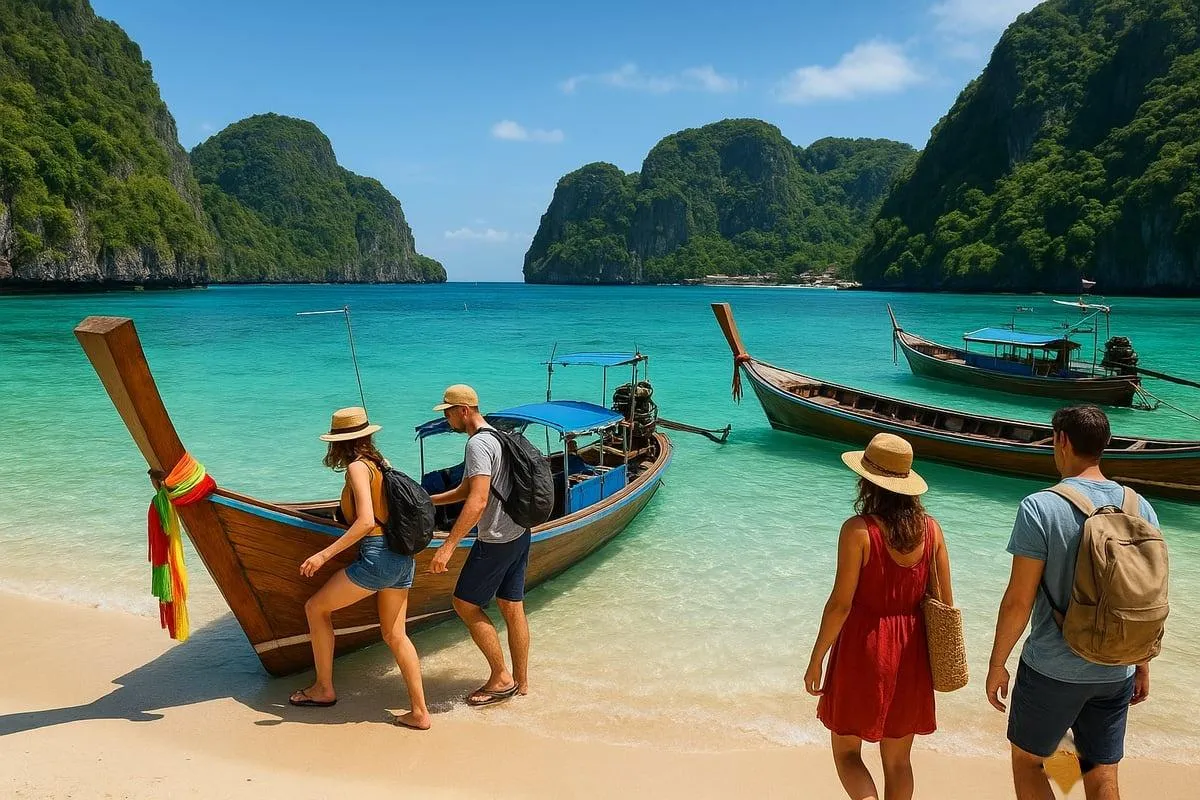
Phi Phi Don and Phi Phi Leh are the heart of any phi phi islands trip. Don is the only inhabited island, bustling with energy, accommodations, and nightlife. Leh, famed for Maya Bay, is uninhabited and protected, offering pristine beaches and dramatic cliffs.
Day trips by boat are the best way to see both islands. Many tours include snorkeling, visits to Viking Cave, and stops at secluded coves. Maya Bay’s 2026 access rules will continue to limit daily visitors to protect fragile ecosystems, as detailed in Phi Phi Islands tourism statistics 2024-2025. Choose between group tours for a social vibe or private charters for flexibility and privacy.
Local Transport: Boats, Walking, and Bicycles
No cars or motorbikes are allowed on the islands, making your phi phi islands trip refreshingly pedestrian-friendly. Most travel is by foot along narrow, lively pathways connecting beaches, viewpoints, and villages.
For longer distances, traditional longtail boats and water taxis operate frequent routes. Typical fares are posted at the docks, ensuring transparency. Expect to pay more for night transfers or private hires. Families and elderly travelers find walking manageable, but boat rides are necessary for accessing remote spots. Remember to respect local customs and boat etiquette.
Navigating Between Attractions and Hidden Gems
Tonsai Village and Loh Dalum are central hubs, offering easy access to restaurants, shops, and nightlife during your phi phi islands trip. Adventurous travelers can hike to the famous Phi Phi Viewpoint, a 30-minute walk best done at sunrise or sunset for cooler temperatures and panoramic photos.
To escape the crowds, consider exploring lesser-known beaches like Ao Poh or venturing to secluded coves by kayak or boat. Visitor surveys show that early mornings and late afternoons are the quietest times at main attractions. Always bring water, sun protection, and a map or app for navigation.
Safety and Security for Travelers
Safety is a priority for every phi phi islands trip. Strong currents can occur, especially near cliffs and during changing tides, so only swim in designated areas. Sun exposure is intense, so pack reef-safe sunscreen and hydrate often.
Emergency clinics are available on Phi Phi Don, with English-speaking staff and pharmacies nearby. For lost belongings or passports, report immediately to the local police station. Data shows most travel mishaps involve minor injuries or valuables left at the beach. Stay alert in party zones, and always keep a copy of important documents.
Where to Stay: Accommodations for Every Traveler
Dreaming about where to relax after a day of adventure on your phi phi islands trip? You will find a wide range of accommodations to suit every style and budget, from luxury beachfront resorts to friendly hostels and cozy guesthouses. Choosing where to stay is one of the most important parts of planning your visit, and knowing your options can make your trip unforgettable.

Types of Accommodation: Resorts, Hostels, and Guesthouses
The phi phi islands trip offers everything from five-star resorts with private villas to budget-friendly hostels ideal for social travelers. Beachfront resorts on Phi Phi Don provide direct access to soft sands and stunning sea views, while mid-range hotels and guesthouses are available closer to the village centers. Backpackers often choose lively hostels with communal spaces and organized activities.
| Accommodation Type | Average Nightly Rate (2026) | Popular Locations |
|---|---|---|
| Luxury Resort | $220–$500 | Loh Ba Kao, Long Beach |
| Mid-Range Hotel | $90–$180 | Tonsai, Loh Dalum |
| Hostel | $20–$60 | Tonsai Village |
Consider location, amenities, and your travel style when booking.
Booking Strategies and Insider Tips
To get the best value during your phi phi islands trip, timing is everything. Peak season (December to April) fills up quickly, so reserve early for the widest choice. Early-bird deals often provide discounts, while last-minute offers can be found if you are flexible. Use trusted booking platforms or book directly with properties for exclusive perks.
Check cancellation policies for flexibility, especially if your plans may change. Occupancy rates spike during festivals and public holidays, so plan ahead. Couples may prefer secluded resorts, while solo travelers often enjoy the social vibe of hostels.
Family-Friendly and Group Accommodation Options
Traveling with family or friends on your phi phi islands trip? Villas and spacious family rooms are available at many resorts, often featuring kids’ clubs, pools, and entertainment. Some properties cater specifically to families, offering child-safe amenities and babysitting services.
For groups, look for multi-bedroom villas or guesthouses willing to accommodate larger parties. Accessibility is improving, with some hotels providing ramps and adapted rooms for guests with special needs. Booking early is key for group stays, especially during school holidays.
Sustainable and Eco-Friendly Stays
If you want your phi phi islands trip to have a positive impact, consider eco-certified hotels and resorts. Many properties now feature solar panels, rainwater harvesting, or zero-waste policies. Choosing sustainable stays helps protect the islands’ fragile ecosystems and ensures future generations can enjoy their beauty.
Recent years have highlighted the environmental impact of tourism on Phi Phi Islands, making responsible choices more important than ever. Look for accommodations with recognized green certifications, support local initiatives, and ask about their conservation efforts when booking.
Top Things to Do on the Phi Phi Islands
With so many unforgettable experiences to choose from, crafting your perfect phi phi islands trip is an adventure in itself. From pristine beaches and vibrant coral reefs to lively nightlife and tranquil wellness retreats, every traveler finds something to love on these iconic Thai islands.
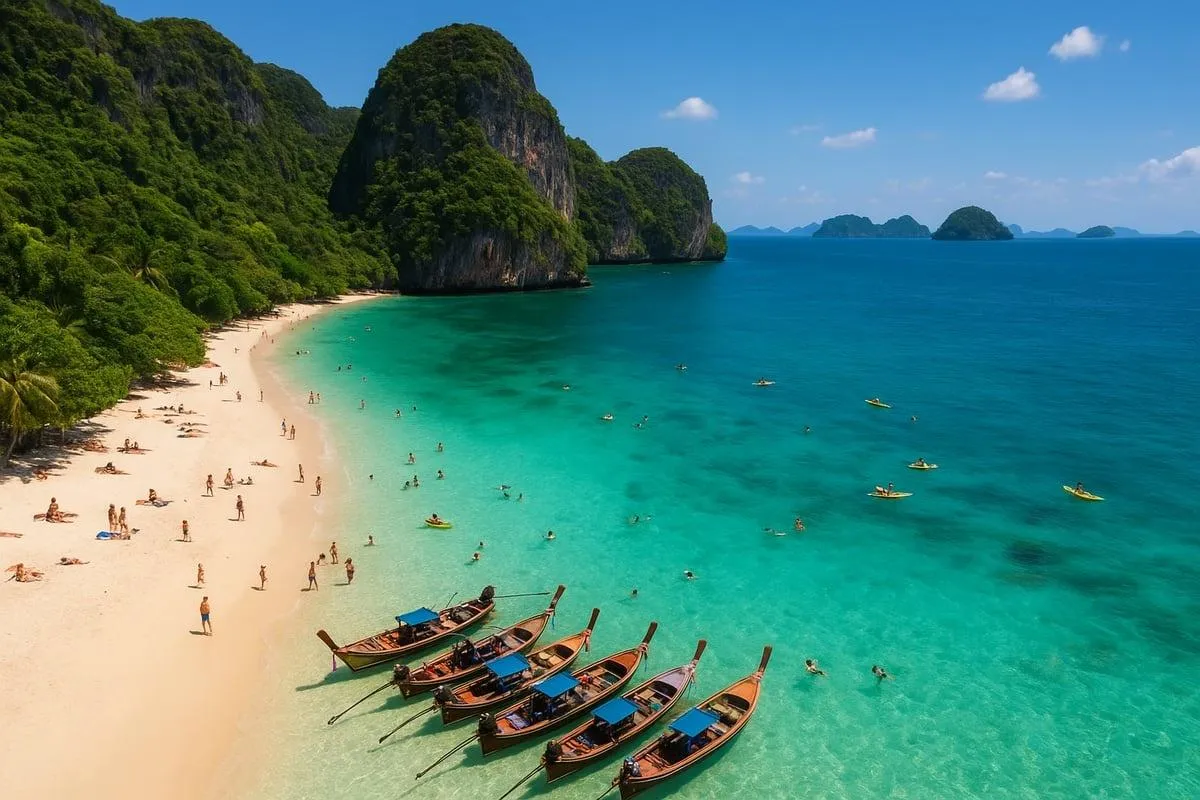
Beach Hopping and Snorkeling Hotspots
The heart of any phi phi islands trip is exploring its stunning beaches and underwater marvels. Loh Dalum, Long Beach, and Monkey Beach each offer powdery sands and crystal-clear waters ideal for sunbathing and swimming. Snorkelers flock to spots around Bamboo Island and Nui Bay for vibrant reefs teeming with marine life.
Many sites recently reopened after environmental recovery—see the reopening of snorkeling and diving sites in Phi Phi Islands for up-to-date access info. Guided tours provide equipment and safety briefings, while independent explorers can rent gear locally. To protect the ecosystem, always use reef-safe sunscreen and avoid touching corals.
Iconic Sights: Maya Bay, Viking Cave, and More
No phi phi islands trip is complete without visiting Maya Bay, made famous by the film “The Beach.” After recent conservation efforts, updated rules for 2026 may include timed entries and strict visitor caps. Viking Cave, with its ancient wall paintings and swiftlet nests, offers a glimpse into local history and culture.
Access to these landmarks is typically by boat tour. Check for current restrictions and always follow guide instructions to help preserve these sites. Early morning visits or late afternoon tours often provide a quieter, more magical experience. Respect all posted guidelines to support ongoing preservation efforts.
Adventure Activities: Diving, Kayaking, and Rock Climbing
For thrill-seekers, a phi phi islands trip brings endless adventure. Certified dive centers offer PADI courses and guided dives at world-class sites like Shark Point and Hin Bida. Kayaking around Phi Phi Leh reveals hidden lagoons and dramatic cliffs, while rock climbing at Tonsai Tower challenges both beginners and experts.
Equipment rentals are widely available, and many operators provide safety gear and instruction. Booking in advance is recommended during peak season. The islands now host over 20 certified dive centers, ensuring professional support for underwater exploration. Always verify operator credentials and prioritize eco-conscious providers.
Nightlife and Entertainment
As the sun sets, your phi phi islands trip transforms with energetic nightlife. Loh Dalum Beach is the epicenter, featuring beach bars, fire shows, and music events that draw an international crowd. Full Moon and themed parties light up the calendar for 2026, creating a festive atmosphere most nights.
Families and those seeking a quieter evening can enjoy cultural performances, beachfront restaurants, or relaxed lounges. Recent data shows a steady rise in venue openings, catering to all tastes. Always keep personal belongings secure and stay aware of your surroundings, especially in busy party areas.
Wellness, Yoga, and Relaxation
Balance your phi phi islands trip with wellness experiences designed to rejuvenate body and mind. Yoga studios offer sunrise sessions with panoramic ocean views, while massage parlors and wellness centers provide traditional Thai treatments. The islands have seen significant growth in wellness tourism, with new retreats and classes added each year.
When choosing a practitioner, look for certified instructors and reputable facilities. Booking a class or spa session in advance ensures availability, especially during high season. Whether you seek a peaceful meditation or a restorative massage, relaxation is always within reach on Phi Phi.
Food and Drink: Where to Eat and What to Try
Culinary exploration is a highlight of any phi phi islands trip. Sample classic Thai dishes like pad Thai, green curry, and fresh seafood at beachfront restaurants or lively street food stalls. For a memorable meal, try grilled fish at local markets or enjoy sunset dining overlooking the bay.
The average meal ranges from 150–400 THB, with plenty of options for vegetarians and those with dietary restrictions. Popular spots include Anna’s Restaurant, Papaya, and Cosmic. Always choose busy stalls for the freshest food and drink bottled water to stay safe.
Unique Experiences and Hidden Gems
To truly personalize your phi phi islands trip, seek out lesser-known adventures. Trek to the island’s viewpoints for panoramic vistas, or join a private tour to secluded beaches like Nui Bay. Bamboo Island and Shark Point provide quieter alternatives to the main attractions.
Visitor reviews highlight the joy of discovering local villages, participating in beach clean-ups, or arranging a private longtail boat for the day. Authentic encounters await those willing to venture beyond the crowds. Plan ahead and consult locals for recommendations on hidden gems.
Essential Tips for a Seamless Phi Phi Trip
A successful phi phi islands trip relies on smart preparation and knowing what to expect once you arrive. Use these essential tips to protect your health, stay connected, travel sustainably, and make the most of your 2026 adventure.
Health, Safety, and Emergency Preparedness
Prioritizing your wellbeing during your phi phi islands trip is crucial. The islands offer clinics, small pharmacies, and basic emergency services in Tonsai Village, but resources are limited compared to the mainland.
Common health concerns include dehydration, sunburn, and jellyfish stings. Pack a compact first aid kit with essentials: rehydration salts, bandages, antiseptic, and any personal medications. Heatstroke is a real risk, so always carry water and seek shade during peak midday hours.
Emergency contacts are posted at most hotels. In case of serious illness or injury, arrange transfer to a hospital in Phuket or Krabi. For lost passports, report immediately to the local police station and your embassy’s hotline.
Staying Connected: Internet, SIM Cards, and Apps
Staying online is easier than ever during your phi phi islands trip. Mobile coverage is generally reliable in main villages, with 4G available from providers like AIS and DTAC. SIM cards are sold at ferry piers and convenience stores—bring your passport for registration.
Wi-Fi is offered in most hotels and cafes, though speeds can fluctuate during peak times. Essential apps include Google Maps for navigation, a translation app, and Grab for transport in Phuket or Krabi. Consider a waterproof phone pouch for beach days.
To avoid roaming charges, use a local SIM and download offline maps. For urgent needs, public Wi-Fi is available in Tonsai but may be less secure, so use a VPN for sensitive transactions.
Sustainable Tourism: Protecting Phi Phi for the Future
Responsible travel is vital for preserving the beauty of your phi phi islands trip. Simple choices, like bringing a reusable water bottle and reef-safe sunscreen, help reduce your impact. The islands have banned single-use plastics in many areas to protect marine life.
Join local conservation initiatives, such as beach clean-ups or coral restoration workshops, to give back during your stay. Respect wildlife by never feeding monkeys or disturbing sea creatures. Support local businesses and choose eco-certified accommodations when possible.
Recent studies show that sustainable practices are making a difference, with improved coral health and reduced waste reported in 2025. Every traveler’s actions contribute to safeguarding this paradise for future generations.
Pro Travel Hacks for 2026
Maximize your phi phi islands trip with a few expert strategies. Book ferries, tours, and accommodation as early as possible, especially during peak season. Compare operators for the best prices and flexible cancellation policies.
Use Thailand ferry booking tips to secure your seats and avoid last-minute stress. Download digital copies of your passport and travel insurance for easy access. Schedule activities early in the morning to beat the crowds and heat.
Pack light to navigate narrow paths and boat transfers with ease. Lastly, monitor local advisories for weather updates or new travel regulations to ensure your trip runs smoothly.
As you get ready to turn your Phi Phi Islands dreams into reality, remember that Thailand Boat Tickets is the world’s first AI booking service for ferry tickets in Thailand, and the easiest way to travel from A to B with zero hassle. Whether you’re planning to island hop, coordinate multi-leg journeys, or simply want the convenience of booking in your own language via WhatsApp, Instagram, Facebook Messenger, or Telegram, your trip logistics are in great hands. With real-time schedule comparisons, expert support, and worldwide payment options, we make your island adventure seamless. Simply Chat & Book with us and start your 2026 trip today.
Frequently Asked Questions
Find answers to common questions about this topic.
Chat with our VTA and go to Islands
Get instant access to live ferry schedules, compare prices across all operators, and book your tickets directly with our Virtual Ticket Assistant.